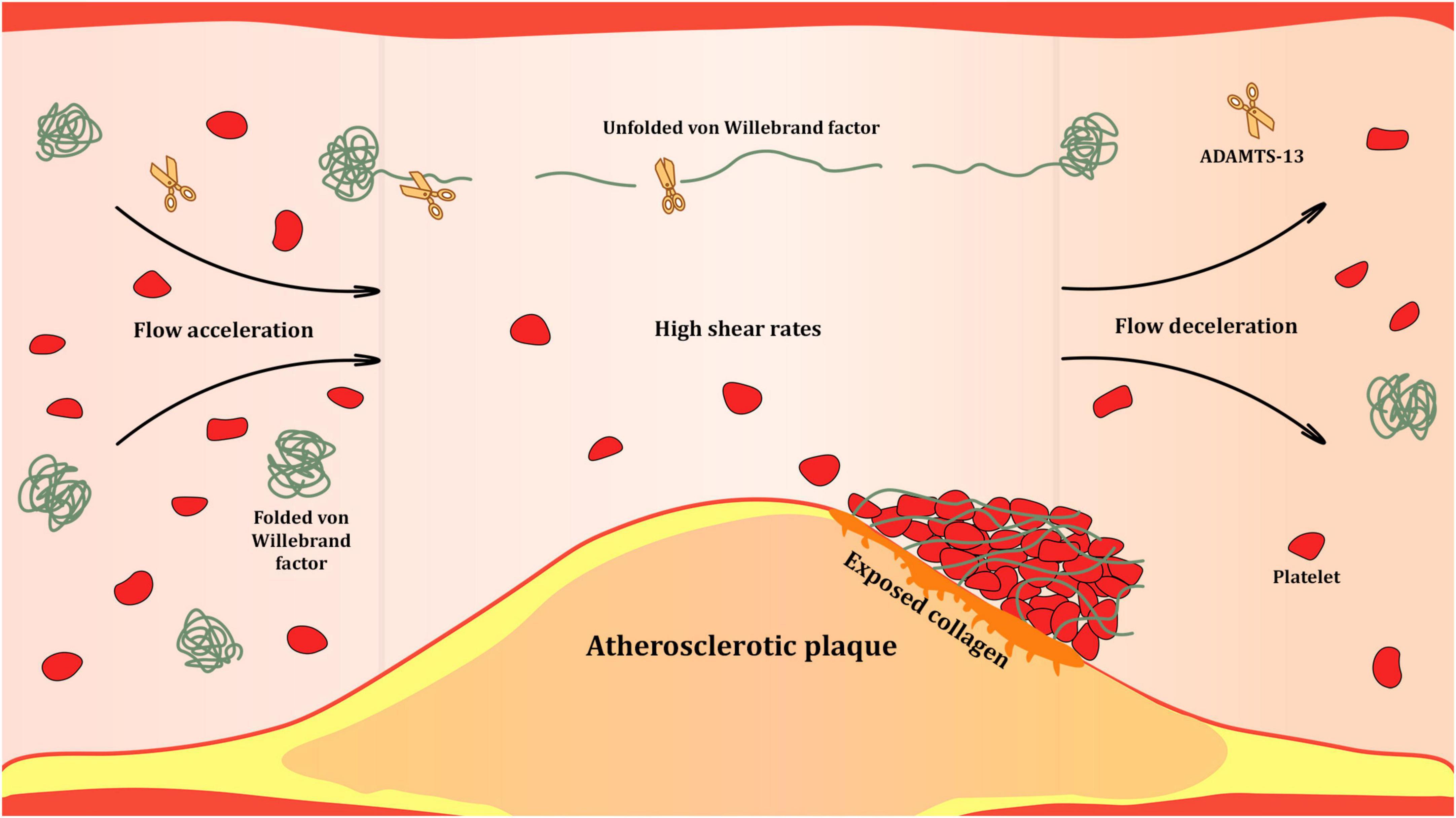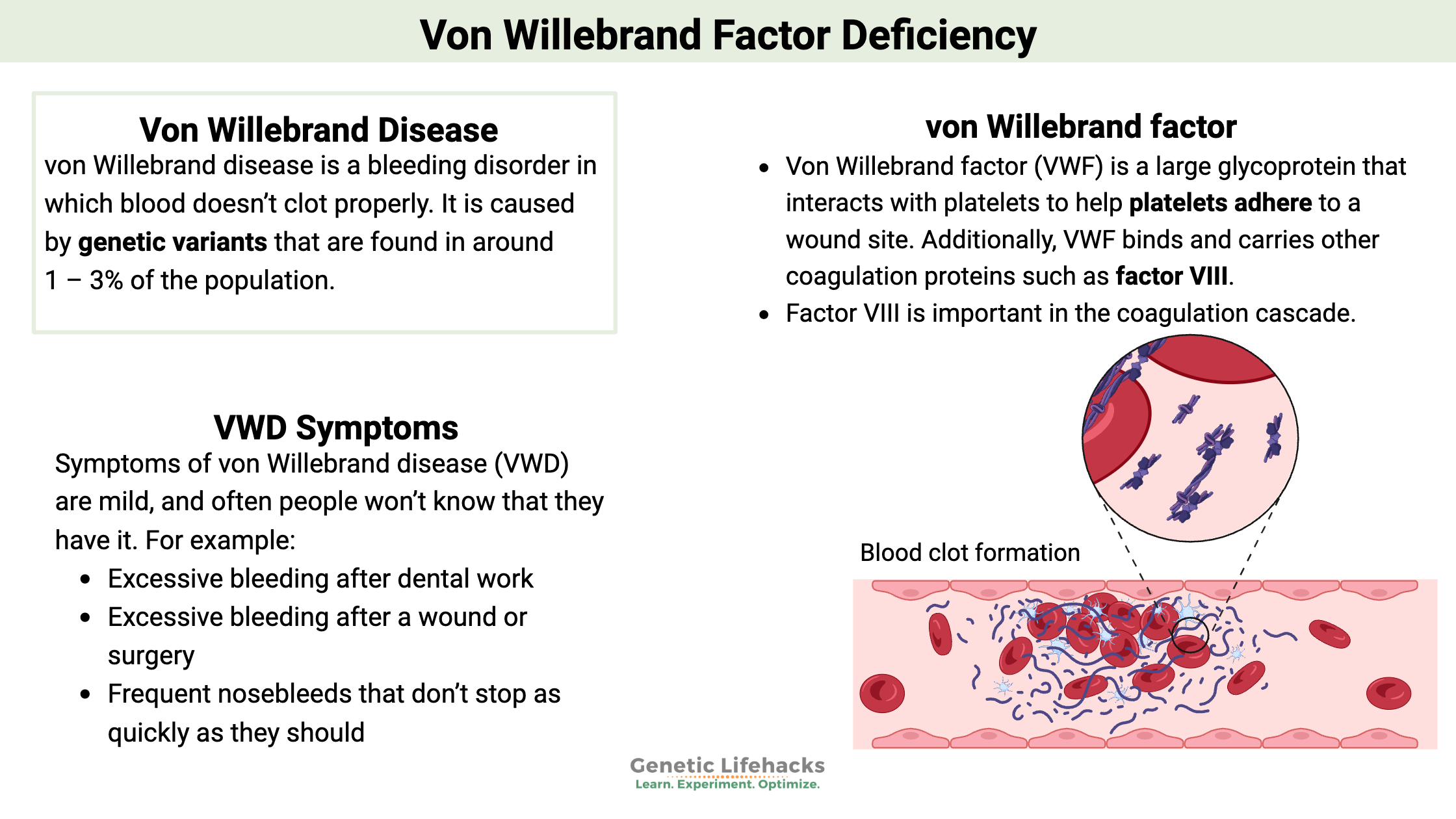
A doença de Von Willebrand é uma condição causada pela diminuição da produção ou ausência do fator de von Willebrand, que é uma proteína essencial para a coagulação sanguínea. A doença de von Willebrand (DVW) é uma deficiência quantitativa hereditária ou anormalidade funcional do fator de von Willebrand, que provoca disfunção plaquetária. A tendência ao sangramento geralmente é discreta. Von Willebrand factor (vWF) mediates platelet adhesion to exposed subendothelial collagen at sites of vascular injury, facilitating the formation of primary hemostatic plugs.
One of these proteins is called von Willebrand factor (VWF). People with VWD either have a low level of VWF in their blood or the VWF protein doesn't work the way it should. Normally, when a person is injured and starts to bleed, the VWF in the blood attaches to small blood cells called platelets. Diagnóstico da doença de Von Willebrand A maioria dos indivíduos com DVW apresenta hemograma e estudos de coagulação normais. Entretanto, em alguns casos, podem apresentar alterações com TTPa prolongado, plaquetopenia e anemia microcítica. 1 day agoSaiba tudo sobre a Doença de Von Willebrand, veja o que ela é, suas causas, sintomas, tratamentos e se é possível prevenir a Doença de Von Willebrand.
The von Willebrand factor (VWF) is one of the largest glycoprotein circulating in plasma: it is multimeric and multifunctional. VWF is synthesized in endothelial cells (EC) and in megakaryocytes (MK) and stored in alpha-granules of circulating platelets (PLT). Von Willebrand factor Von Willebrand factor (VWF) is a glycoprotein central to primary haemostasis by the binding and decelerating of circulating platelets at the site of injury. It also binds and stabilizes circulating factor VIII. Von Willebrand factor is normally synthesized in the endoplasmic reticulum of endothelial cells lining blood vessels (and also in megakaryocytes), and it is then packaged into multimers (many strands of vWF connected by disulfide bonds) by the Golgi and stored in Weibel-Palade bodies as a helical spiral of multiple multimers. [9]
Get the Full Details
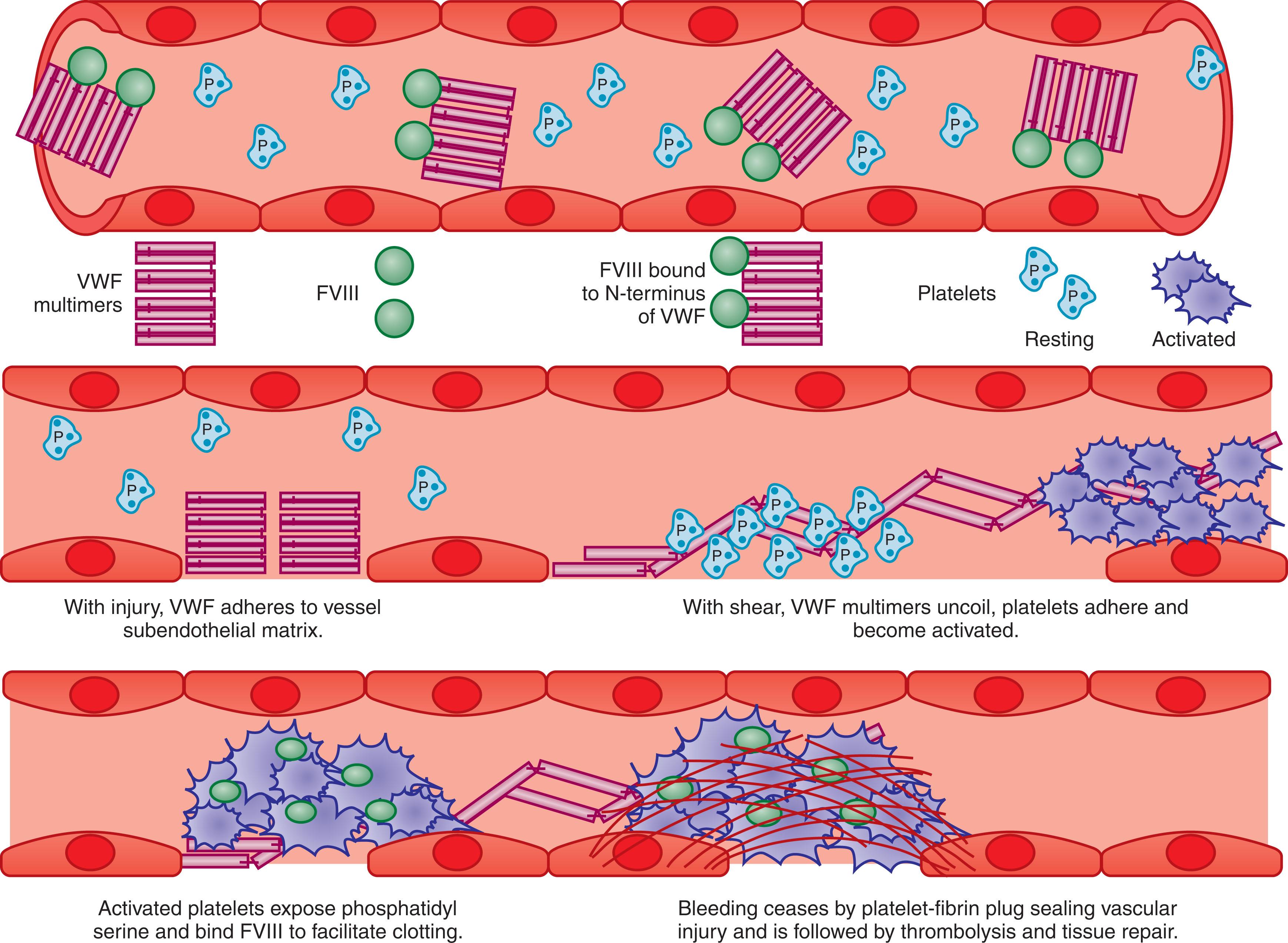
Von Willebrand factor (vWF), one of the adhesive proteins, is produced by the endothelial cell and the megakaryocyte. It is synthesized as a large precursor that consists of a signal peptide, a propeptide—von Willebrand antigen II—and the vWF subunit. vWF is present in plasma, platelets, and subendothelium. Von Willebrand factor NWf) plays an essential role in haemostasis by acting as the carrier molecule for factor VIII. It also binds to collagen on vascular subendothelium and provides the attachment site for circulating platelets in the first step of primary haemostasis. The receptor for von Willebrand factor on platelets is the GPIb-V-IX complex. A major age-associated change in haemostasis is the increase in von Willebrand factor (VWF), a plasma glycoprotein essential for primary and secondary haemostasis. VWF deficiency causes von Willebrand disease, which is the most common inherited bleeding disorder and affects approximately 1% of the population.