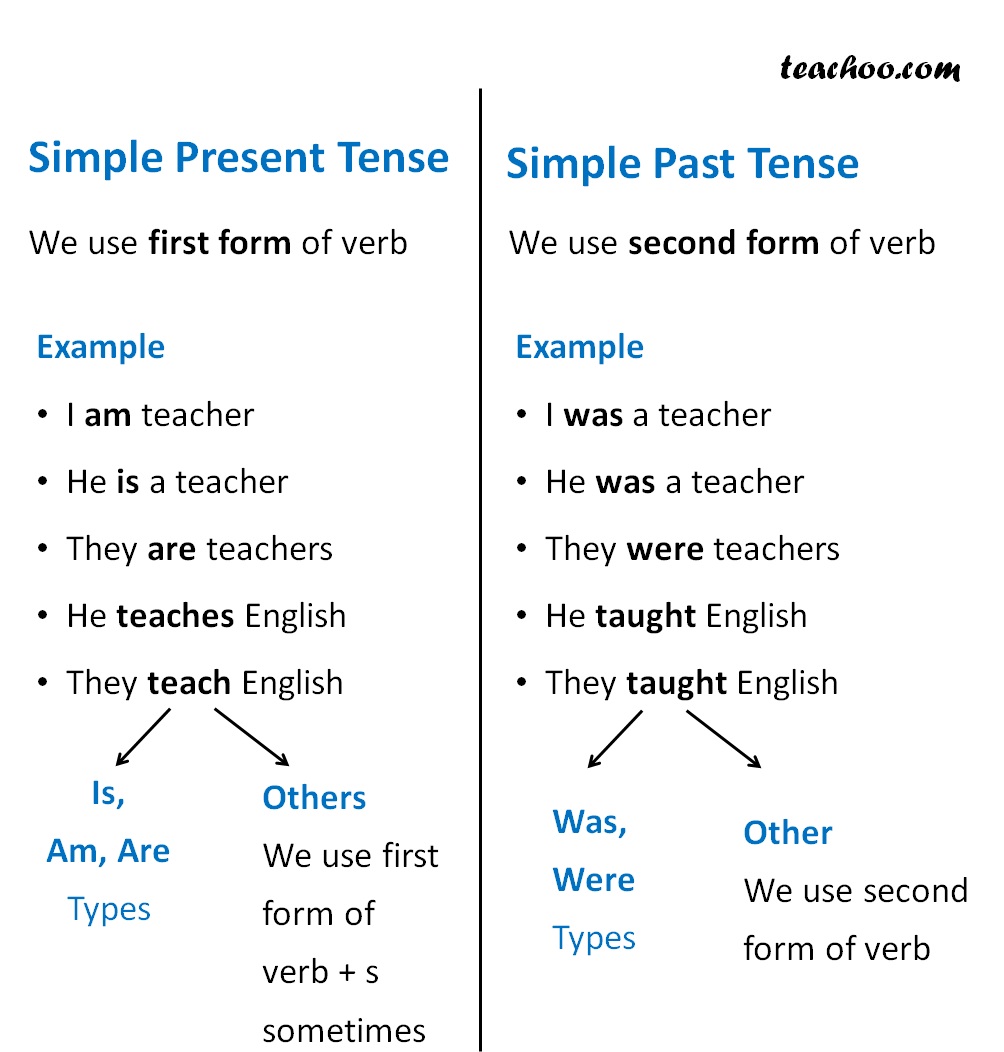
Quando descrevemos situações do nosso dia a dia, geralmente, utilizamos dois tempos verbais bastante básicos para qualquer situação comunicativa, o presente e o passado. Por isso, neste artigo, vamos aprender sobre as semelhanças e diferenças entre o Simple Present e o Simple Past. Learn how to use the simple present and simple past tenses in English with clear rules, translated examples, interactive exercises, and tips to avoid common mistakes. What is the difference between the present simple and past simple? Compare Sentences, Understand the Meanings and Why People Use Them. + Practice Exercises!
The main difference between past simple tense and present simple tense is in terms of time and usage. Past simple tense tends to talk about past events and actions. Present simple, however, talks about actions or states that are general or always true. * Signal words of the Simple Present can also be used in the Simple Past. This happens when you want to say that you did something regularly in the past (here: last week). Verbos em inglês: Simple Present x Simple Past Nós aqui da EF English Live sabemos que, para alguns alunos, aprender os tempos verbais em inglês é difícil. Por isso, já explicamos por aqui o present perfect, o present continuous, o past perfect, entre muitos outros.
Nesta atividade você reconhecerá expressões da Língua Inglesa relativas à acontecimentos atuais (simple present) e à fatos do passado (simple past). The present simple tense describes habits and facts, often using time expressions like 'always' and 'usually.' The past simple tense talks about events that happened before now, using time phrases like 'yesterday.' The future simple tense makes predictions or promises about the future, often using 'will' and time clues. Introduction Mastering the difference between the Simple Present and Simple Past tenses is key to clear and accurate English communication. This quiz will help you test your understanding of when to use each tense. Practice with the examples below to better grasp how these tenses differ in form and usage. Review: Simple Present vs Simple Past Before you do the Simple Present vs Simple Past
Get the Full Details

Sentences change their meanings Signal words and English Tenses State verbs, dynamic verbs in English Steps to put in verbs into gaps in sentences and questions The most common Tenses in English in a table The verb be as a main verb in the Simple Present and the Simple Past The verb be in different tenses When to use which tense? Entenda os tempos verbais do simple present, simple past e used to, suas diferenças e quando usar cada um no resumo de Inglês com exemplos! The three main verb tenses are the past, present, and future, but there are also four grammatical aspects: simple, continuous, perfect, and perfect continuous. When you combine the three time periods with the four aspects, you get twelve unique verb tenses.


