Descubra os usos do epazote: propriedades medicinais, benefícios, precauções e receitas com Chenopodium ambrosioides. Aproveite sua versatilidade! Dysphania ambrosioides, formerly Chenopodium ambrosioides, known as epazote, Jesuit's tea, Mexican tea[2] or wormseed, [3] is an annual or short-lived perennial herb native to the Americas. Chenopodium ambrosioides, conocido en toda América Latina como epazote, paico, payco, té mexicano, hierba de Santa María y por una amplia variedad de nombres regionales, es una planta de origen americano con una historia milenaria de uso medicinal y culinario.
«Ethnobotanical, morphological, phytochemical and molecular evidence for the incipient domestication of Epazote (Chenopodium ambrosioides L.: Chenopodiaceae) in a semi-arid region of Mexico». Compre sementes de Erva de Santa Maria, também conhecida como Epazote ou Mastruz. Ideal para cultivo caseiro, planta medicinal com propriedades terapêuticas e uso culinário tradicional. Epazote (Chenopodium ambrosioides L.). Revisión a sus características morfológicas, actividad farmacológica, y biogénesis de su principal principio activo, ascaridol.
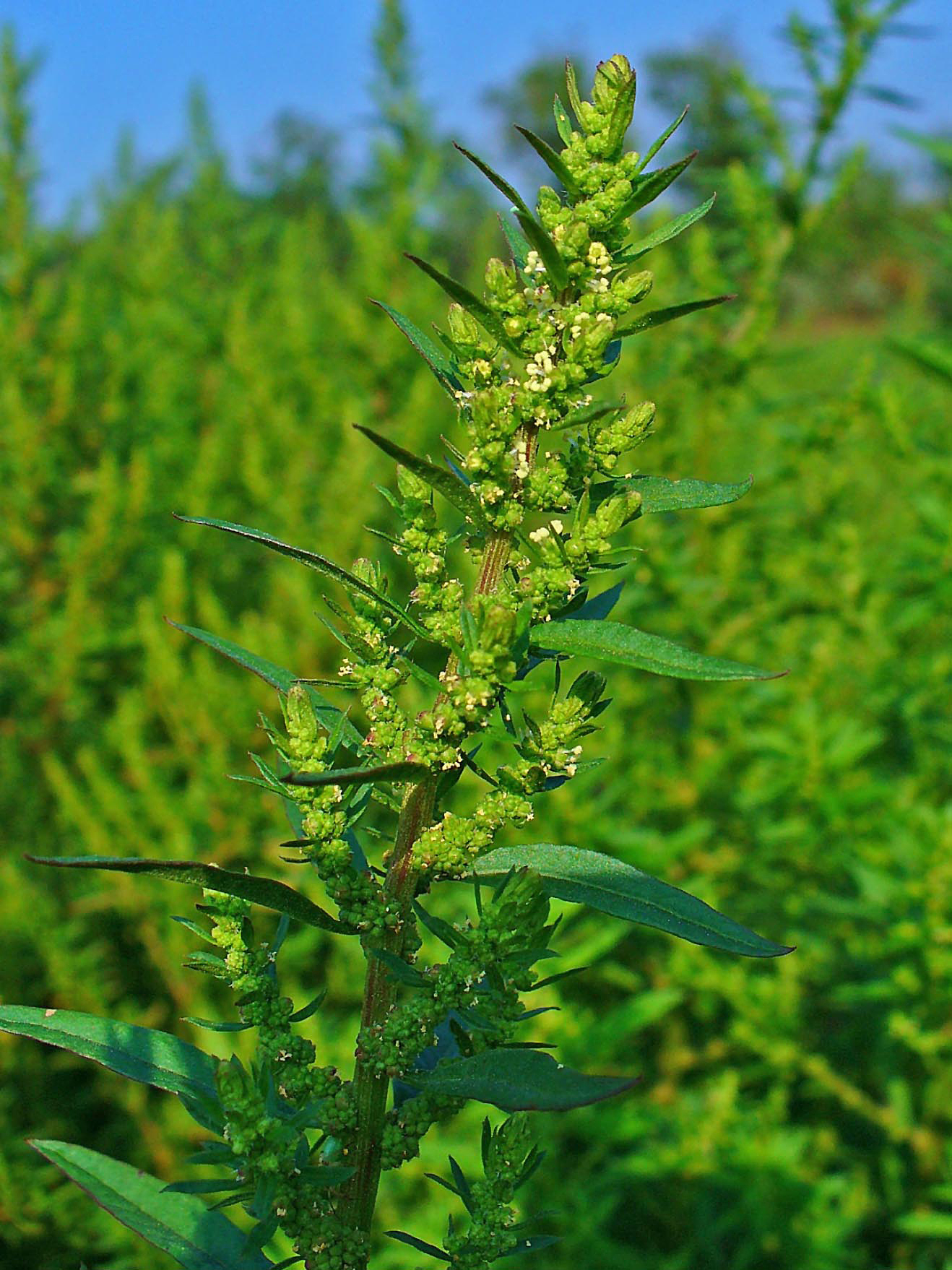
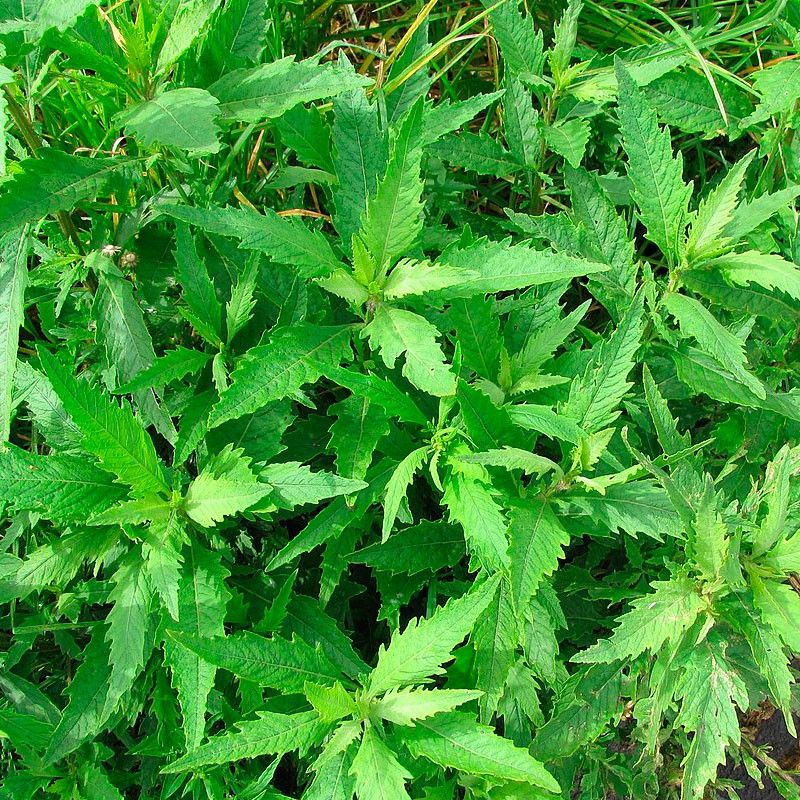
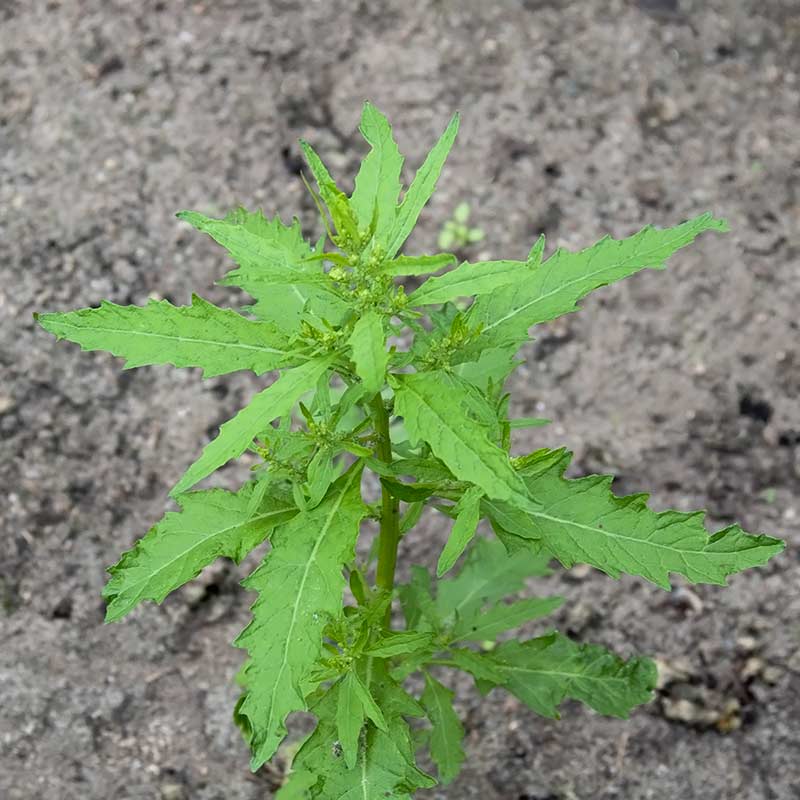
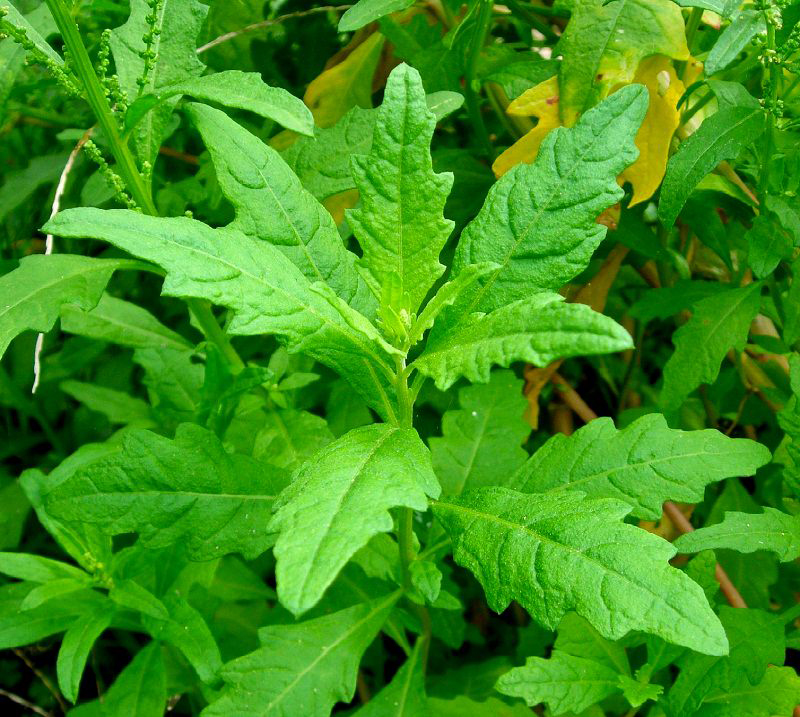
Chenopodium ambrosioides , known throughout Latin America as epazote, paico, payco, Mexican tea, Santa María herb, and by a wide variety of regional names, is a plant of American origin with a millennia-old history of medicinal and culinary use. What is Epazote? Epazote (Dysphania ambrosioides, formerly Chenopodium ambrosioides), is an herb in the Chenopodium family, along with lambsquarters and pigweeds. Although often thought of as a weed, epazote plants actually have a long history of both culinary and medicinal use. Epazote Illinois Extension photo: Herb Gardening | Epazote Chenopodium ambrosioides Epazote is a large, loosely branched almost weedy looking annual growing to about 4 feet tall with reddish stems. The leaves are green and sharply toothed. The plant produces small yellow-green flowers along its stem.
Get the Full Details
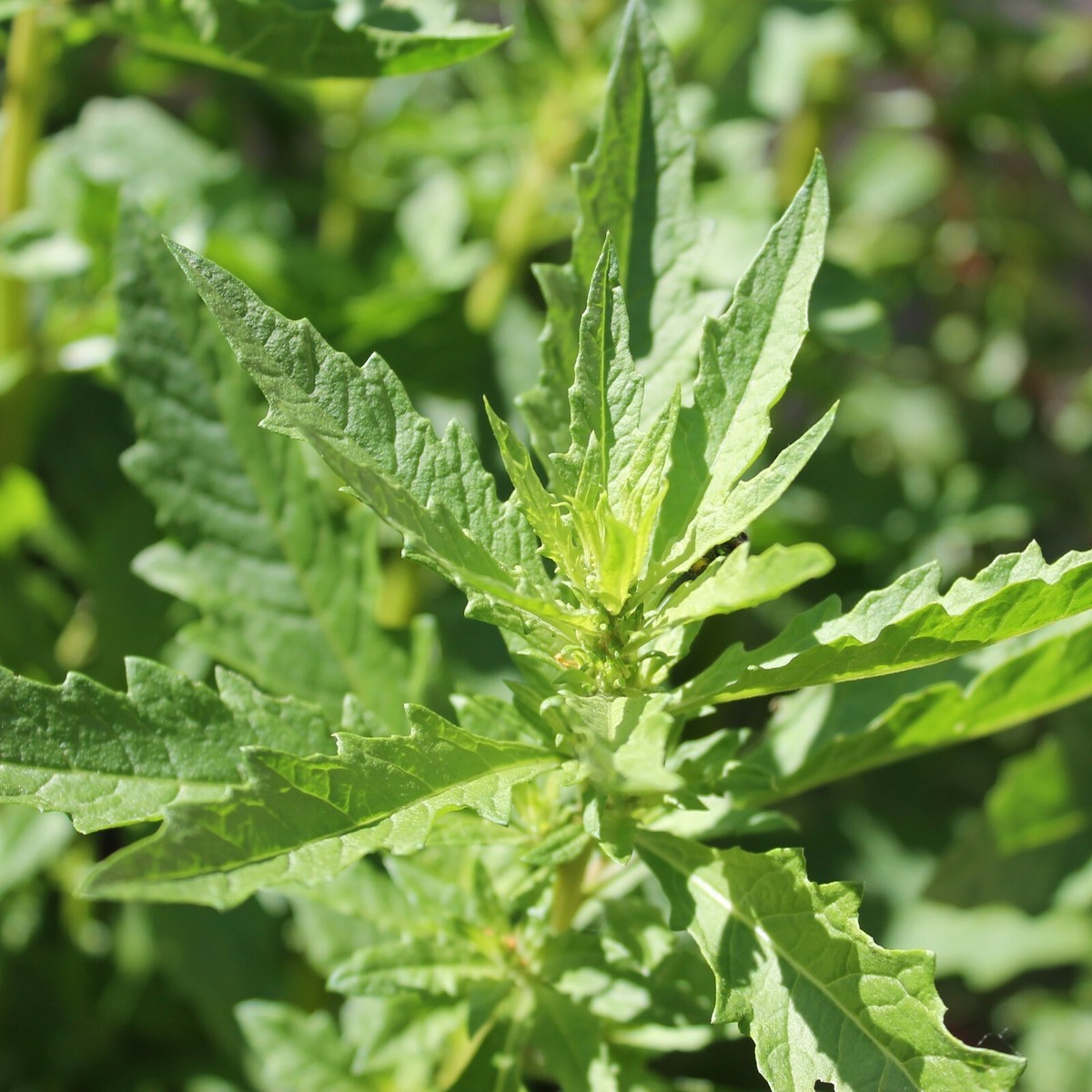
Epazote (scientific name Chenopodium ambrosioides) is an annual or perennial herb, 1 meter tall with simple, alternate, oblong-lanceolate leaves 2-12 cm long and 2.5-9 cm wide. The flowers are small, green and elongated. The stems are branched, terete-angular, hairless and reddish in color. The green or brown fruit yield horizontal or vertical, lenticular-subglobose, black, brown Published Research on Epazote All available third-party research on epazote can be found at PubMed. A partial listing of the published research on epazote updated through Feb 2019 is shown below: Antibacterial Actions: Jesus, R., et al. " In vitro antimicrobial and antimycobacterial activity and HPLC-DAD screening of phenolics from Chenopodium ambrosioides L." Braz. J. Microbiol. 2018 Apr -Jun Medicinal properties of Chenopodium ambrosioides Medicinal properties and traditional uses of Mexican tea Photo of epazote, where you can see its leaves and inflorescences Mexican tea or epazote (Chenopodium ambrosioides) is a medicinal plant native to Central America, widely used by the native population.