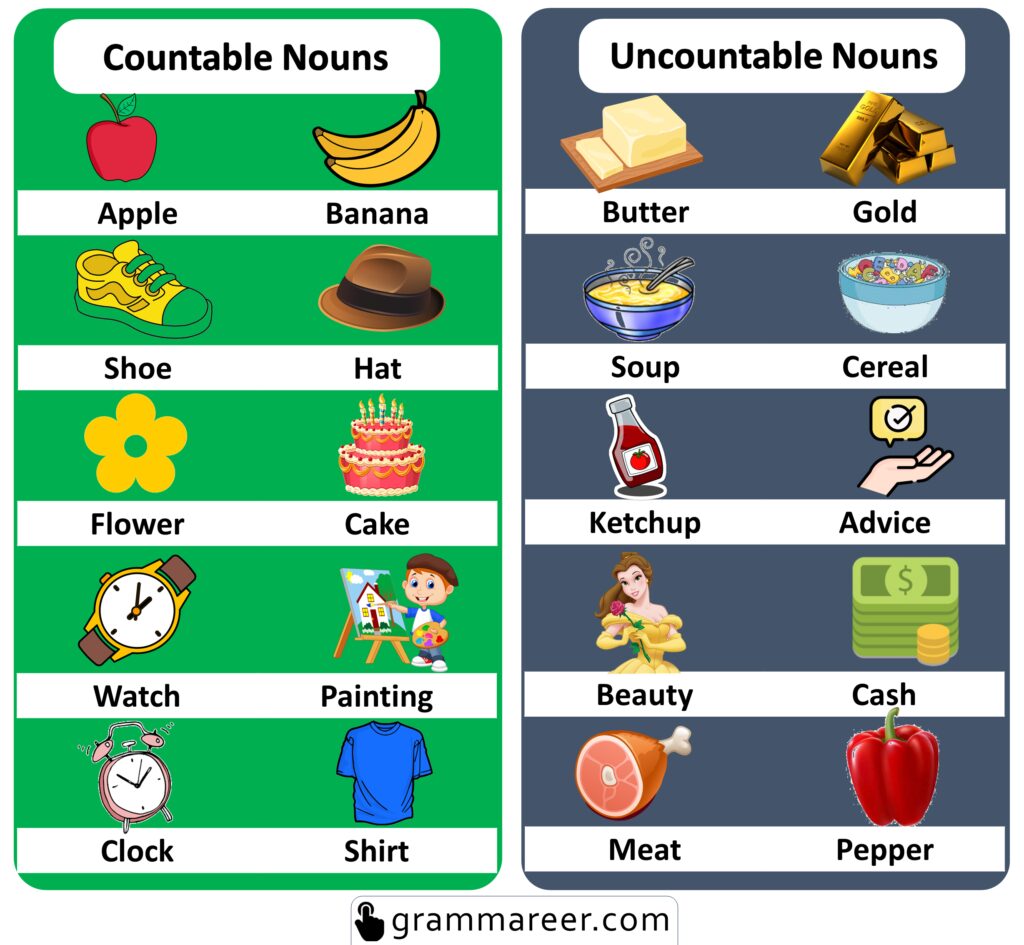
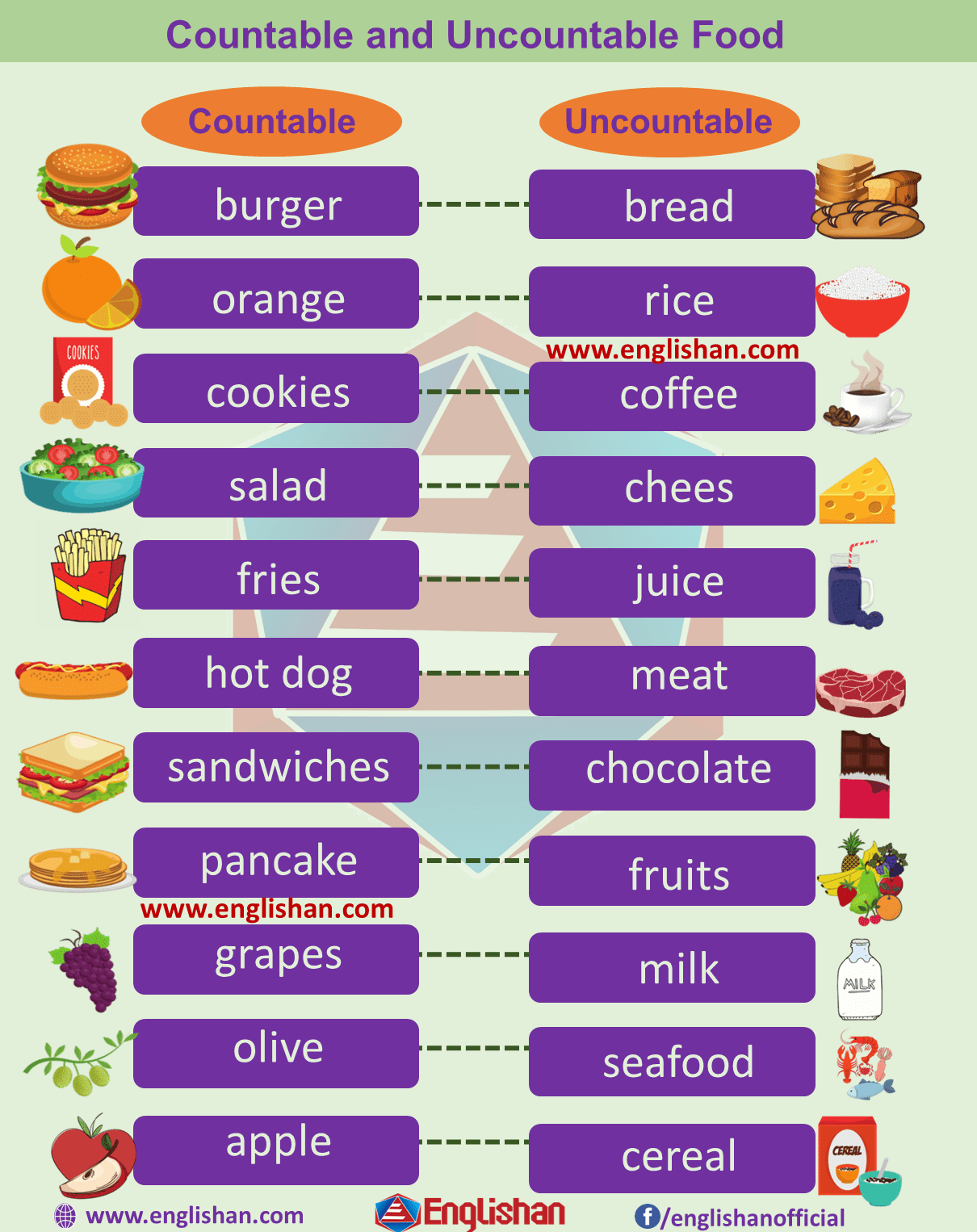
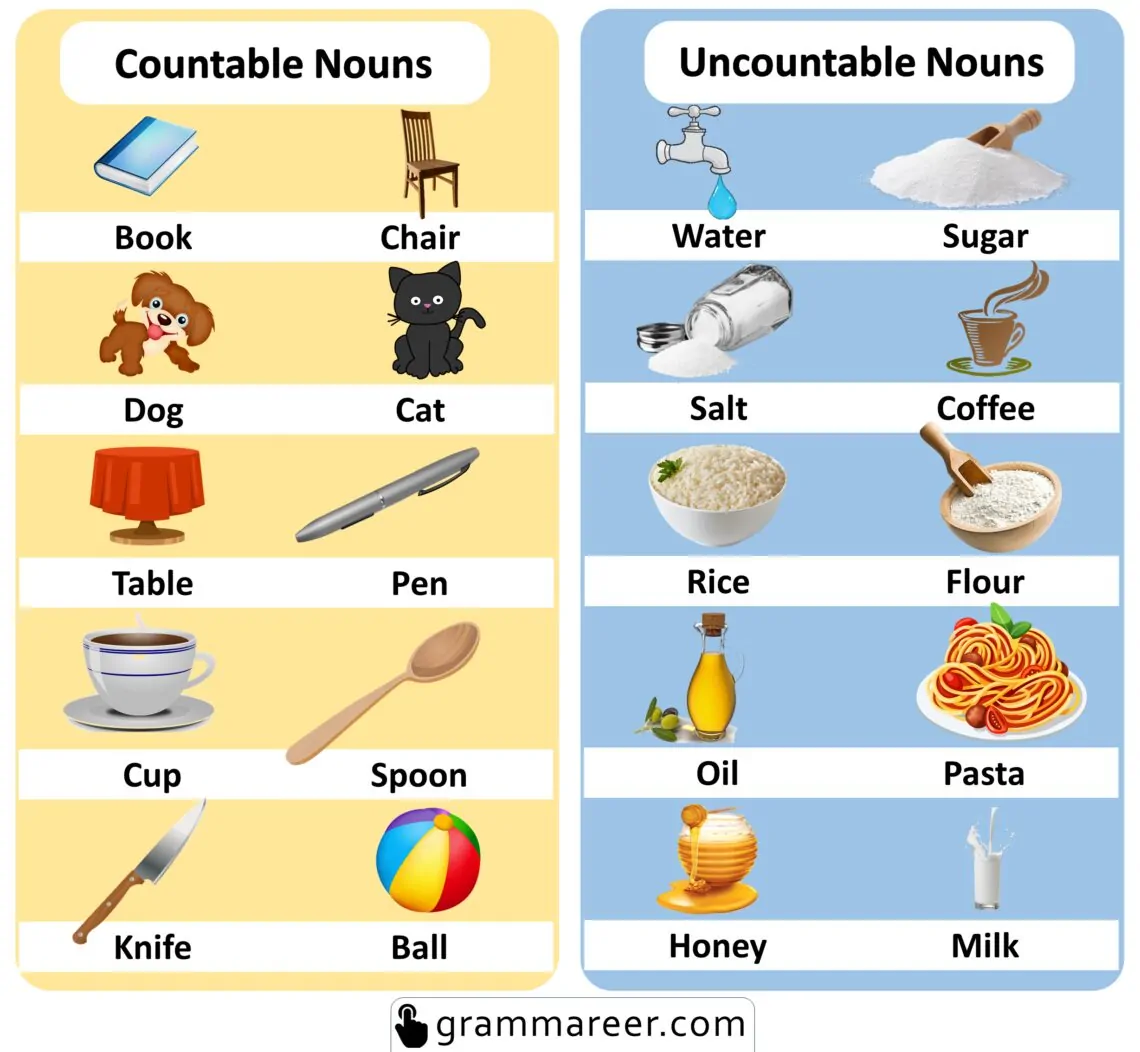
Os countable nouns (substantivos contáveis), tal como o nome indica, podem ser contabilizados através de números e têm forma. Some nouns which are uncountable in English are countable in other languages (e.g. accommodation, advice, furniture, information):. Countable nouns can be counted, e.g. an apple, two apples, three apples, etc. Uncountable nouns cannot be counted, e.g. air, rice,.
Run a bigger CPA practice. Without hiring before you're ready. Countable gives solo and micro practices the working paper. Os countable nouns (substantivos contáveis), tal como o nome indica, podem ser contabilizados através de números e têm forma plural. Já os uncountable nouns (substantivos incontáveis), não possuem forma plural. Countable nouns can be counted, e.g. an apple, two apples, three apples, etc. Uncountable nouns cannot be counted, e.g. air, rice, water, etc. When you learn a new noun, you should check if it is countable or uncountable and note how it is used in a sentence.
Learn the difference between countable and uncountable nouns in English, with examples, explanations and exercises. Find out how to use determiners, quantity expressions and countable phrases with uncountable nouns. Saber a diferença entre countable nouns e uncountable nouns é essencial para o domínio da língua inglesa. Isso porque as regras de uso de determinantes, como artigos e pronomes demonstrativos, são diferentes para cada um dos tipos de substantivos. Mas o que isso significa? Nouns são substantivo, ou seja, palavras que designam pessoas, lugares, coisas, etc. Countable nouns são substantivos contáveis, enquanto uncountable nouns são substantivos incontáveis. Abaixo, você verá mais sobre esses termos.
Get the Full Details
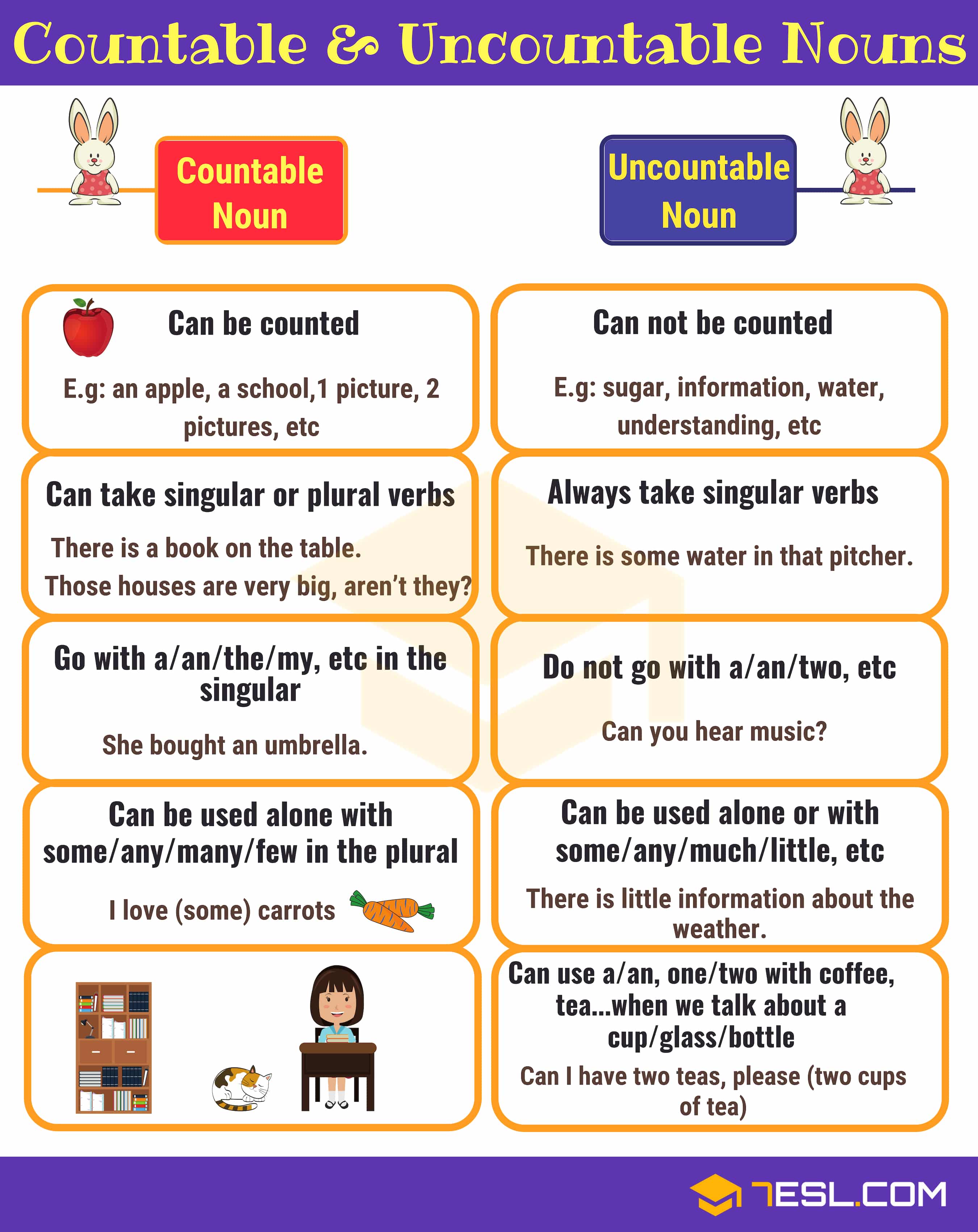
Understanding the difference between countable and uncountable nouns is essential for proper English usage. To help you learn easily, we have created a PDF guide that includes definitions, key differences, and examples of both types of nouns. I) There are a range of nouns that are uncountable in English but are countable in other languages. These include: accommodation, advice, baggage, behaviour, bread, chaos, damage, furniture, information, luck, luggage, news, permission, progress, scenery, traffic, weather and work. Countable nouns have singular and plural forms, and singular countable nouns usually need an article or determiner: a car, the car, my car. Uncountable nouns do not normally take a plural form and are not used with a/an.